
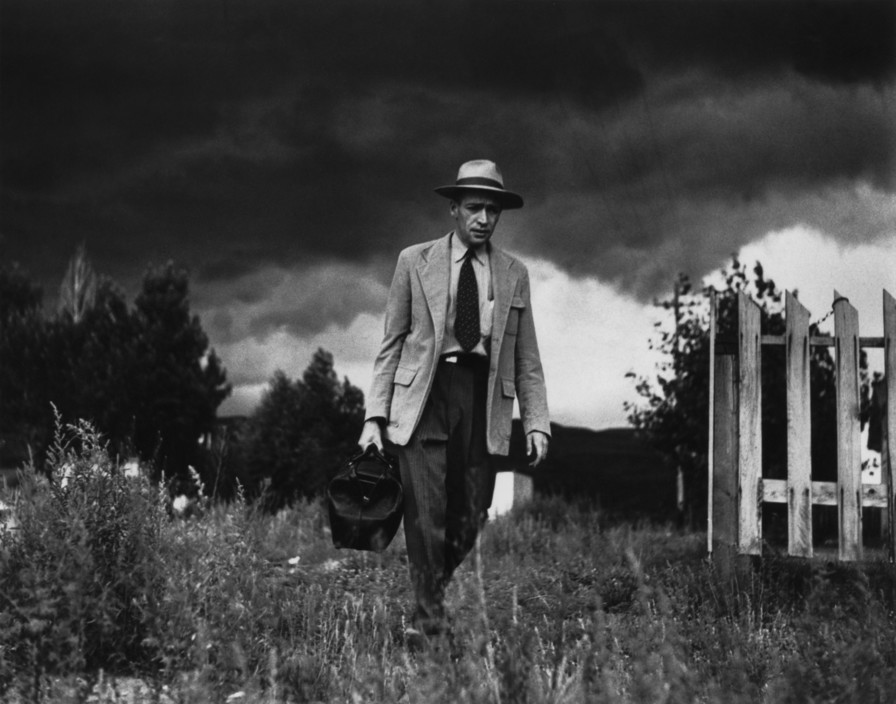
Sculpting Depth with Gradient Lighting: A High-Level Approach to Visual Storytelling in Photography

Photography at an advanced level becomes less about documenting reality and more about designing an experience. Light is your primary sculptural tool—especially when shaping the emotional tone of a scene. One refined technique that separates seasoned photographers from casual shooters is gradient lighting, the intentional control of smooth transitions in light and color across a subject. Instead of harsh contrasts or flat illumination, gradient lighting creates dimensionality, atmosphere, and narrative presence. It guides how the viewer’s gaze travels through the frame, influences how surfaces appear to feel, and subtly communicates mood.
What Makes Gradient Lighting a Precision-Based Technique?
Gradient lighting refers to the controlled transition of luminance, color temperature, or saturation across a subject or scene. This technique is subtle, intentional, and highly expressive. It emphasizes how the subject occupies space rather than simply where it is placed.
Key advantages include:
-
Increased depth without exaggeration
-
A more tactile representation of texture
-
Natural yet dramatic sculpting of form
-
Directional visual flow for storytelling
Rather than creating dramatic shadows or intense highlights, gradient lighting develops a soft, smooth shift that adds sophistication to the visual language.
The Three Dimensional Components of Gradient Lighting
1. Luminance Gradient
A luminance gradient is the smooth tonal transition from bright to dark. It plays a foundational role in how depth is perceived. The way light rolls across a person’s cheek or across the curve of a ceramic bowl determines how tangible it appears. When done well, luminance gradients prevent subjects from looking flat or artificially lit.
This gradient must be stable and consistent. Uneven illumination can break the illusion of form, making the subject appear disjointed. Smooth tonal shaping behaves almost like sculpting with light, strengthening dimensional presence.
2. Color Temperature Gradient
Color temperature gradients shape atmosphere more than form. A transition from warm to cool tones can communicate emotional meaning, suggest the time of day, or define narrative intention. Warm tones often evoke intimacy and closeness, while cooler tones create distance and contemplation.
This gradient is highly beneficial in portraiture, editorial storytelling, and conceptual photography where emotional subtext matters. Subtle shifts—such as warm highlights with cooler falloff into shadow—add cinematic depth without appearing stylized.
3. Saturation Gradient
Saturation gradients influence visual hierarchy. Higher saturation draws the eye forward, while lower saturation recedes into the background. This allows photographers to guide attention precisely where they want it without relying on dramatic lighting or heavy composition.
This is particularly effective in imagery that relies on mood, such as fine art portraiture or minimal product imaging, where too much contrast may break the intended feeling.
Methods to Create Smooth and Controlled Gradient Lighting
Use a Large Light Source
Larger light sources create softer transitions. This eliminates harsh edge shadows and spreads luminance more evenly across surfaces. Softboxes with dual diffusion, deep umbrellas, and full scrim panels are excellent tools here. The goal is not flatness but controlled softness—a sculptural softness that feels natural.
Adjust Light Distance with Intention
Distance affects the hardness of falloff. A closer light creates smoother gradients, while a distant light increases contrast. Even minimal movement of the light source can influence how the gradient behaves on curved surfaces. Precision matters here; small adjustments should be deliberate.
Shape Light with Reflectors, Not Fill Flood
Instead of flooding a scene with fill light, reflectors allow you to paint supplementary light into specific areas. White reflectors create subtle lift without glare, while silver reflectors add more defined reflection for glossy surfaces. Gold reflectors introduce warmth but must be used carefully to maintain color consistency in gradients.
Use Flags and Negative Fill to Carve Shadow Depth
To prevent gradients from becoming flat, controlled shadow placement is essential. Negative fill (such as black foam core or cloth) absorbs stray light and shapes contrast without removing softness. This helps create a gentle but meaningful transition into shadow areas, enhancing depth.
Gradient Lighting in Different Photography Genres
Portrait Photography
Gradient lighting in portraits creates emotional tone and sculptural character in facial structure. A softly shifting highlight across the cheek and jaw enhances depth and personality. Subtle temperature shifts, such as slightly cooler shadows, add cinematic authenticity.
Product Photography
In product imagery, gradient lighting reveals material quality. Metal requires directional specularity, glass requires controlled edge reflection, and textiles require soft rolling highlights to reveal weave depth. Gradient lighting prevents products from appearing flat and lifeless.
Architectural and Interior Photography
Gradient lighting reveals structural shape and atmospheric presence in spaces. Light should roll across surfaces rather than strike them sharply. Controlled shadow depth enhances spatial logic and ambiance, preserving the feeling of physical presence.
When Gradient Lighting Should Be Minimal or Avoided
There are scenarios where gradient lighting may weaken the intended visual effect. High-drama fashion work, bold graphic conceptual portraits, or stark geometric compositions sometimes benefit from crisp, hard-edged contrast. The key is intentionality. Gradient lighting should be chosen when storytelling benefits from subtle dimensionality, not when the subject demands visual aggression.
Frequently Asked Questions
1. Is gradient lighting only possible in studio environments?
No. Gradient lighting can be created outdoors by using reflectors, diffusion panels, and by adjusting your subject’s position relative to the sun.
2. Can gradient lighting work with flash photography?
Yes. In fact, flash with appropriate diffusion and bounce surfaces provides excellent control over gradient transitions.
3. Does gradient lighting require expensive equipment?
Not necessarily. Even a basic reflector and a sheer diffusion cloth can achieve strong gradient structure when used with intention.
4. Should gradient lighting always be soft?
No. The gradient can be subtle even when contrast is strong. What matters is the smoothness of transition, not the absolute brightness range.
5. How do I know when my gradient is too flat?
If your subject loses dimensional presence or textures appear muted, introduce controlled negative fill to re-establish depth.
6. Can gradient lighting work in black-and-white photography?
Yes. In fact, luminance gradients become even more critical in monochrome because brightness transitions replace color as the primary storytelling tool.
7. How do I practice shaping gradients?
Work with a single object under one large light source and modify only distance and reflector placement. This isolates variables and helps you understand gradient influence clearly.

Comments are closed.