
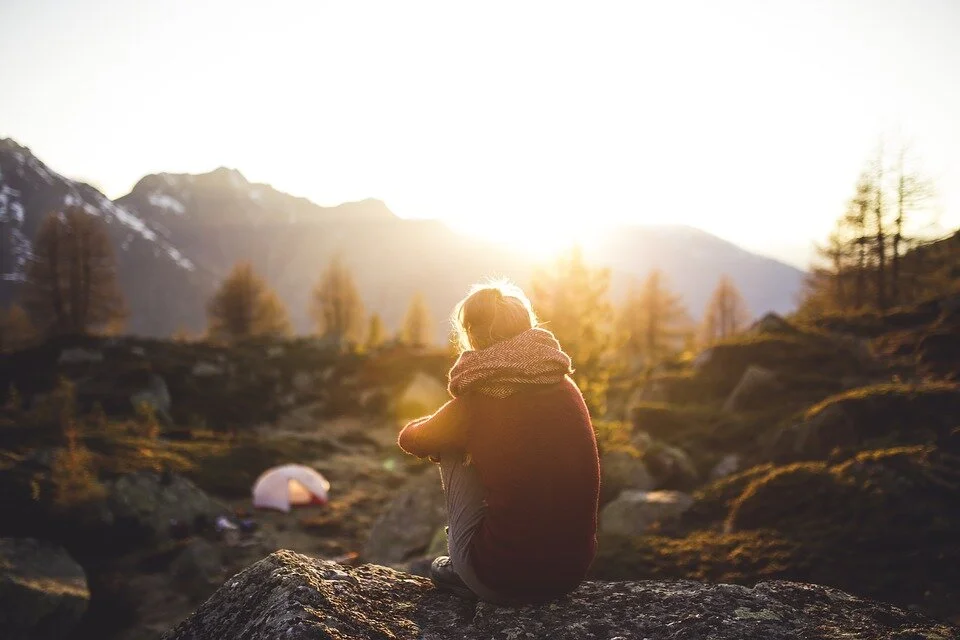

Photography is often associated with direction, conversation, and interaction. Yet, some of the most powerful and emotionally resonant portraits come from moments of quiet presence—when the photographer steps back, listens, observes, and allows the subject to simply be. Silence, when used purposefully, becomes more than the absence of sound. It becomes a tool that shapes atmosphere, expression, and authenticity.
In portrait photography, silence has the ability to dissolve performance. It removes the invisible stage between the camera and the subject, giving room for genuine emotion to rise to the surface. The photographer who understands silence doesn’t force a moment—they recognize it.
Understanding Silence as a Creative Tool
Silence in photography is less about being mute and more about cultivating presence. Every subject carries layers of emotion, personality, and story. Yet many of these layers stay hidden when they feel observed, judged, or rushed. Silence creates emotional breathing room.
What Silence Allows:
-
The subject to shed self-consciousness
-
Body language to relax naturally
-
The photographer to perceive subtle emotional shifts
-
A slower, more intentional pace of creation
Silence invites authenticity because it removes pressure. Without constant direction or commentary, portraits stop looking posed and start feeling lived.
The Presence Behind the Camera
A photographer’s internal state influences the environment more than most realize. A rushed, tense photographer creates tension in the subject. A patient, calm photographer inspires comfort.
This concept is known as energetic mirroring. Humans subconsciously reflect the emotional atmosphere they are in. If the photographer holds space quietly and confidently, subjects respond with openness and ease.
Elements of Quiet Presence:
-
Calm breathing and relaxed posture
-
A slow and steady rhythm while shooting
-
Observing instead of reacting
-
Letting moments unfold naturally
Quiet presence isn’t passive; it is active, intentional watching.
Listening Without Speaking
Great portrait photographers are great listeners—even when no words are exchanged. Listening extends beyond sound; it involves recognizing emotional details.
Listening in Silence Means Noticing:
-
Micro-expressions that appear and fade quickly
-
The moment someone drops their guard
-
How the subject uses their hands or shoulders to express emotion
-
When a shift in energy suggests the right moment to shoot
When silence is present, the photographer has time to perceive what normally gets lost in hurried interaction.
The Difference Between Posing and Revealing
Traditional posing often creates stiff, artificial results. Silence invites revealing, not arranging. Instead of sculpting the subject into an expected shape, the photographer observes how the subject naturally sits, stands, or looks when they forget the camera is there.
Transition from Posing to Revealing:
-
Ask the subject to settle into a position they find comfortable
-
Observe the posture that emerges when they are at rest
-
Capture gestures that arise spontaneously
-
Let them move, then photograph the in-between moments
The most meaningful portraits often occur in the spaces between direction.
How Silence Builds Trust
Trust is the foundation of intimate portraiture. Silence nurtures trust because it communicates respect. It tells the subject:
“You do not need to perform. I am here to see you, not shape you into something else.”
Trust is not demanded—it is earned through consistency in presence.
Signs Trust Has Formed:
-
The subject’s breathing slows
-
Their expressions become less controlled
-
Eye contact feels natural instead of forced
-
Moments of stillness feel comfortable, not anxious
When trust settles into the space, authenticity rises to the surface on its own.
The Rhythm of Stillness in a Photoshoot
Silence introduces rhythm. Instead of filling every moment, silence creates pacing—where the photographer intentionally pauses, waits, and watches.
An Effective Silent Rhythm Might Look Like:
-
Observe the environment and subject quietly
-
Lift the camera only when the moment feels present
-
Shoot slowly with intention, not urgency
-
Pause again and let the moment reset
This slower rhythm invites depth rather than volume. The goal is not to take many images—but to take meaningful ones.
Creating a Safe Emotional Environment
Authentic portraits require emotional safety. Silence helps build a space where subjects feel they can reveal their softer, quieter, or more vulnerable expressions.
Ways to Create Emotional Safety:
-
Keep gestures small and movements calm
-
Avoid interrupting emotional expression with commentary
-
Allow the subject to look away, breathe, or think without correction
-
Respect moments of inward reflection
When the space feels safe, the portrait becomes less about the camera and more about the human being in front of it.
The Impact of Environment on Quiet Photography
Not every location supports silence. Urban noise, crowds, or rushed environments work against authentic stillness. Choosing environments that naturally support calm can transform the session.
Ideal Quiet Portrait Settings:
-
Nature settings with open space
-
Minimalist indoor environments
-
Rooms with soft natural light
-
Locations meaningful to the subject
The environment should not demand attention. It should allow attention to settle onto the subject.
Why Silence Creates More Meaningful Visual Stories
Silence reveals character—not performance. When a subject relaxes into stillness, viewers are able to sense something true about them. This is what gives portraits emotional longevity.
Portraits shaped by silence:
-
Feel timeless rather than trendy
-
Convey personality through subtle expression
-
Invite empathy and connection from the viewer
-
Carry emotional texture that resonates beyond aesthetics
Silence creates portraits that feel lived-in.
FAQs
1. Does using silence mean never giving direction to the subject?
Not at all. Direction is still necessary, but silence supports the subject between instructions. The goal is balance, not absence of communication.
2. How do I stop subjects from feeling awkward in silence?
Set the tone early. Let them know silence is part of the process, and demonstrate calmness through your own presence.
3. Can silence work during group or family portraits?
Yes, though it’s applied differently. Instead of asking everyone to pose, observe natural interactions and capture genuine connection.
4. What if a subject feels uncomfortable being photographed authentically?
Move slowly, avoid forcing vulnerability, and allow them to express only what they are ready to share.
5. How do I train myself to be more comfortable with silence?
Practice mindful breathing and slow-paced shooting. Over time, silence becomes less about emptiness and more about awareness.
6. Does silence reduce the number of usable images from a session?
Often the opposite happens. Fewer images are taken, but more are meaningful, expressive, and emotionally rich.
7. Can silence be used in commercial or fashion photography?
Absolutely. Authenticity is a valuable asset in every genre. Even styled shoots benefit from genuine human presence.

Comments are closed.